Self Car Wash Near Me: Compare Hand Washing and Self-Service Bays
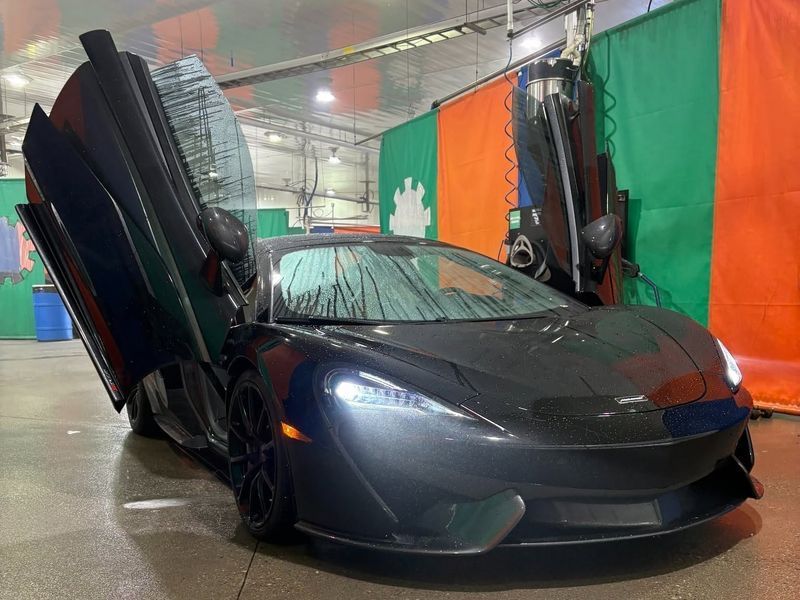
A self car wash near me search can mean two different things: the driver wants to wash a vehicle by hand, or they want access to a commercial bay with the equipment needed to do it themselves. Those choices overlap but are not identical. A pressure-wand station provides space, water, cleaning settings and appropriate wastewater handling; a carefully planned hand wash emphasizes clean tools, gentle contact and attention to individual surfaces. The best approach depends on the driveway available, local drainage rules and the vehicle's finish.
Top Gear Car Wash offers self-service bays in northeast Calgary as well as automatic alternatives. This guide compares hands-on washing methods without assuming that washing at home is necessarily appropriate or that a commercial brush is automatically gentle. It helps drivers choose between control, convenience and safe technique before spending money or purchasing supplies.
At a Glance
- Home washing: Check local rules on wash water before using detergents outdoors.
- Self-service bay: Offers controlled wash functions and space for a driver-operated clean.
- Hand-contact tools: Must be clean, suitably lubricated and kept separate from wheel dirt.
- Vehicle condition: Loose fittings, unusual coatings and damage may change the method.
- Finish: Use a full rinse and inspect from a safe location rather than rubbing grit into paint.
Define the kind of hands-on wash you actually want
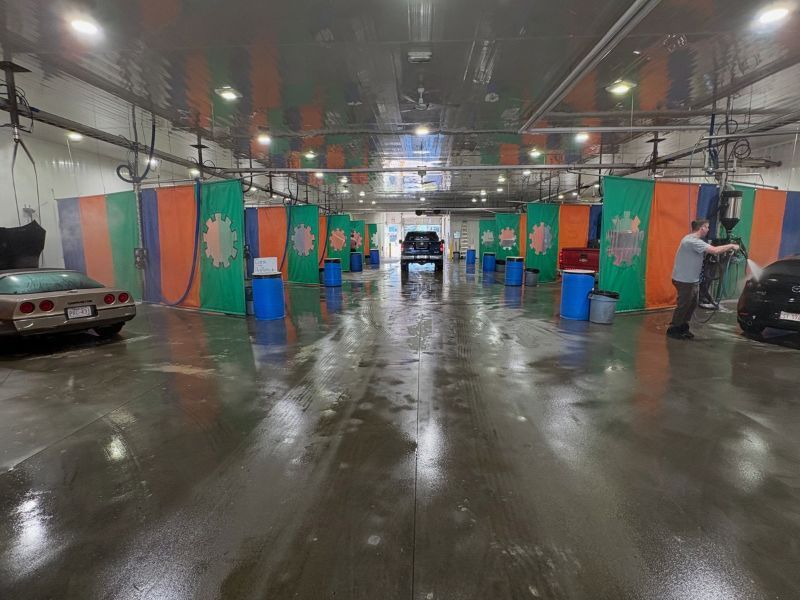
Some people use the term hand car wash to describe a professional detailer working on the vehicle. Others mean washing it themselves with a mitt, sponge or pressure wand. These are different services with different costs, equipment and responsibilities. At a self-service bay, the driver controls the work and must follow the site's safety guidance. A professional hand-cleaning appointment may include interior work or specialist treatment that a timed bay does not provide.
Decide whether the objective is simple exterior maintenance, detailed contact washing or help with stubborn contamination. A car covered in ordinary dust may need little more than a suitable rinse and cleaning stage. A vehicle prepared for a show may require controlled detailing, specialized products and more drying time. If time is limited, an automatic method may be the practical solution. Choose the work you need before deciding who should perform it and where.
Examine Calgary's home-washing drainage restrictions
At home, the biggest concern is not always the quality of the sponge. Calgary's stormwater system carries runoff toward waterways, and the City of Calgary's residential washing rules place restrictions on washing with soap and other products where runoff enters drains. The city recommends commercial washes for vehicle cleaning. Before planning a driveway detergent wash, understand the applicable rules rather than assuming a biodegradable label makes discharge acceptable.
A commercial self-service bay is built around vehicle cleaning and has equipment intended to manage wash water. That is useful for motorists who do not want to store hoses, buckets and chemicals or who have limited outdoor space. It does not mean every customer-supplied product is allowed. Respect facility instructions, especially concerning outside cleaning agents, contaminated work vehicles and safety around shared hoses. The correct choice should protect both the car and the area where the washing takes place.
Compare the tools needed for a gentle paint wash
A careful contact wash requires a clean, suitable mitt or cloth, compatible soap and enough water to remove loosened dirt. Tools used on tyres or wheel wells should not be moved directly onto the painted bonnet. A single dirty sponge can hold abrasive particles from the ground and create more harm than a modest amount of road film. Inspect anything that will touch the finish before use. If a public brush looks contaminated, choose a no-contact alternative rather than hoping its dirt will not matter.
Self-serve washing gives access to a pressure wand and the facility's menu of cleaning functions. Pressure helps remove loose material, but users must maintain the recommended distance and avoid damaged seals or fittings. That equipment can support gentle washing when used deliberately. It is not a license to aim jets at vulnerable trim or spray indefinitely at tar. Each method has strengths and limitations; the common requirement is that the tools and products must suit the actual surface.
| Issue to compare | Hand-contact approach | Self-service bay approach |
|---|---|---|
| Loose grit before cleaning | Rinse before using a mitt | Use appropriate pre-rinse stage |
| Cleaning-product control | Select a compatible product where allowed | Follow facility settings and product rules |
| Dirt in wheel arches | Use dedicated tools, not paint mitt | Apply suitable controlled pressure |
| Wastewater handling | Check local drainage requirements | Use the designated commercial facility |
Consider time, effort and the amount of dirt
Hands-on washing takes more than the time spent applying soap. You must prepare supplies, inspect the car, rinse loose grit, clean methodically and dry or inspect it afterward. A commercial bay reduces setup work but may operate on a timer, so changes between functions and movement around the vehicle still need planning. Someone washing an SUV after a dusty commute may prefer self-service, while an owner who enjoys detail work may value a deliberate contact wash under suitable conditions.
There is no single cost comparison that applies everywhere. Equipment rates, supplies, travel time and the level of dirt all matter. A home wash may appear inexpensive until water, products, safe drainage and time are considered. A self-service visit may cost more when the operator spends too long on unnecessary steps. Compare the entire task. A properly rinsed vehicle with no surface damage is more valuable than a theoretically cheaper process carried out poorly.
Decide how much physical control is useful
The main advantage of self-service is precise attention to dirty areas. A driver can give extra time to the rear hatch of an SUV, floor mats or wheel arches without exposing all panels to the same treatment. For someone comfortable handling a wand, this can be efficient. Conversely, a driver with limited mobility, poor grip or little experience using pressure equipment may find a suitable automatic cycle more convenient. Greater control is valuable only when it can be exercised safely.
Top Gear's
self-service and hand-wash information outlines available facilities, and its
automatic options allow drivers to compare methods. If you search for a
self service car wash, make sure the result actually offers driver-operated bays rather than only drive-through packages. A particular wash method can be appropriate for one visit and unnecessary for the next.
Hear from Our Satisfied Customers
"An outstanding car wash—self-serve or auto brushless with all the bells and whistles—keeps my 10-year-old Mazda 6 looking new, so much so that dealers want me to trade it in! Also, judging from my visits to Top Gear, its ownership believes in meritocratic principles. Keep up the great business you have, Shafik. It is always a pleasure to be at your place."
- Malik M
Avoid treating 'hand washed' as a guarantee of scratch-free paint
Scratches depend on dirt, tool condition, technique and finish condition, not simply whether a machine or person moved the cleaning tool. A clean, lubricated mitt can be gentle, whereas a sponge with embedded grit can drag abrasive particles across clearcoat. Pressing harder on a bonded contaminant often makes the situation worse. If an unfamiliar spot resists ordinary cleaning, identify it and choose a compatible separate treatment rather than turning the whole wash into an aggressive polishing attempt.
A self-service brush may be suitable for some surfaces but inappropriate for delicate paint if its condition is poor. Likewise, a pressure wand has limitations: unusually close jets near weak seals can damage components. Choose tools with reference to the surface in front of you. Professional detailing may be the better approach when contamination requires specialist products or when existing paint damage needs correction. Normal washing cannot reverse scratched clearcoat or repair a cracked seal.
Worked example: a family SUV after sports practice
A family SUV has dried grass clippings around its wheel arches, snack crumbs in the cabin and dusty lower doors. Its owner does not have suitable outdoor washing space at home and does not want detergent runoff reaching a street drain. The owner selects a self-service commercial bay, checks the settings and begins with a cautious pre-rinse of the exterior. A suitable soap stage follows, and the operator keeps wheel dirt away from any tool used on body panels.
After rinsing thoroughly, the driver moves to an approved parking area and checks glass and door seals. Interior crumbs are a separate vacuum job rather than a reason to spray more exterior soap. The visit took a little planning but avoided storing a large set of home equipment. The choice was practical because the facility and method matched the driver's living situation and the dirt present, not because one form of washing is universally superior.
| Driver situation | Reasonable method to assess | What to check first |
|---|---|---|
| No suitable driveway drainage | Commercial self-service bay | Approved products and bay instructions |
| Heavy bonded insect residue | Targeted detailing or compatible treatment | Finish type and contaminant |
| Routine exterior dirt and little time | Automatic wash where vehicle fits | Posted restrictions and selected package |
| Enjoys close attention to panels | Careful hand-controlled washing | Clean tools, adequate rinse and safe location |
Check the vehicle's condition before completing any method
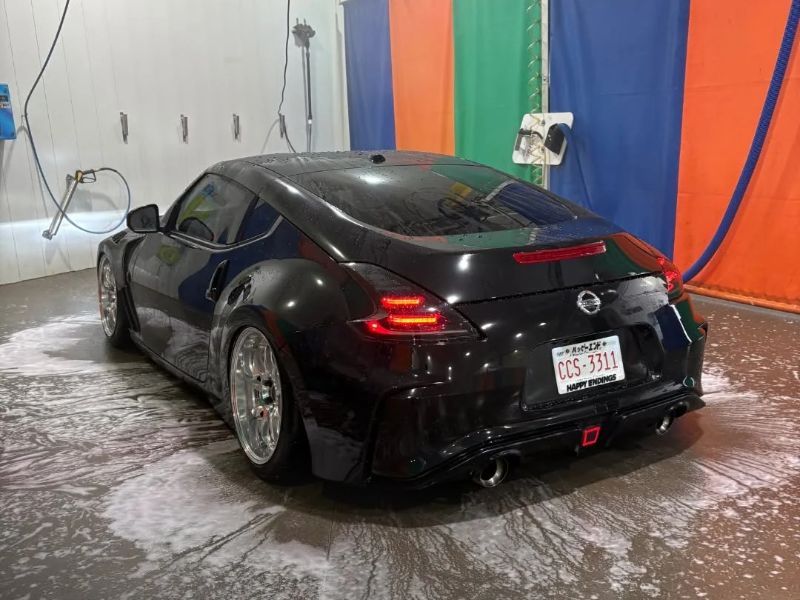
Drivers sometimes overlook vehicle-specific limits because the car has been washed many times before. New roof carriers, loose decorative trim, a damaged mirror housing or a fresh paint repair can change what is appropriate. Follow manufacturer instructions around coatings and sensitive parts. Avoid aiming concentrated spray at cameras, electrical openings or weak seals. If a vehicle is heavily altered, ask the facility whether its equipment is suitable.
After cleaning, move away from the active bay and inspect visibility, mirrors, exterior lights and accessible weather seals. On freezing days, trapped water can become an additional concern. Do not use a dirty drying cloth to rub surfaces that still hold grit. The purpose of the final check is to make sure the vehicle is safe and appropriately cleaned, rather than proving that no minor spot remains. A maintenance wash should not create a new repair problem.
How to decide whether paying for professional detailing is justified
A self-service visit is useful for ordinary maintenance, but some tasks call for professional tools and experience. Tar removal on delicate paint, extensive upholstery staining and correction of scratches are not simply longer versions of a rinse-and-soap routine. A driver should identify when the expected result requires specialist treatment rather than a different timing of the same public wash. Sometimes the most economical choice is avoiding damage that would require repair.
A professional detail can also be appropriate for a vehicle with a complex protective coating or a recent surface repair. The owner still needs to explain the finish and any manufacturer constraints, and should not accept a guarantee that no risk exists. The comparison is not 'do it yourself' versus 'pay more' in the abstract; it is a distinction between ordinary cleaning, specialist decontamination and actual repair. Choose the correct service category before judging value.
How to identify a genuine self-service car wash
A search for a self service car wash often returns both driver-operated bays and articles about general vehicle cleaning. Read the business's service details, not merely the category label. A facility with self-service equipment lets you select and operate cleaning stages, while a paid hand-washing service may assign labour to clean the vehicle. Those are different customer experiences. Check whether the intended location has the equipment you want before travelling.
For renters or apartment residents, a commercial bay can provide a practical place to clean the car without storing hoses or dealing with unsuitable drainage at home. For drivers managing demanding work schedules, a programmed automatic wash may be less physically tiring. The best option changes with the person, the car and the job. A reliable comparison acknowledges these differences rather than treating manual effort as a virtue in itself.
A driver can also divide the work between methods. For example, a compatible automatic exterior wash may remove ordinary road film, while a later self-service session addresses floor mats or one muddy section. That is not inherently wasteful if each visit has a distinct purpose. Conversely, trying to complete an intensive hand detail in a crowded timed bay may be impractical and unsuitable for the vehicle. Judge each method by what it can accomplish under the actual site rules, with an appropriate place to dry and inspect the result afterward.
Frequently asked questions
Is self-service washing the same as professional hand detailing?
No. At a self-service bay, the driver operates the equipment. Professional hand detailing may involve labour, specialist products and services beyond the functions of a public wash. Confirm which offering a business actually provides before booking or paying.
Can I wash with shampoo on a Calgary driveway?
Check the current City of Calgary rules first. The city restricts soaps and other products from entering stormwater and recommends commercial washes. Do not assume that a product described as environmentally friendly is exempt from drainage requirements.
What is the biggest risk when touching paint with a wash mitt?
Abrasive grit caught in the tool can create scratches. Rinse the panel first, use clean compatible equipment and keep wheel tools separate. Avoid rubbing hard at bonded material.
Why might I prefer a self-service bay over an automatic system?
A driver-operated bay lets you spend more time on selected areas, including wheels and mats. Automatic washing is useful when you prefer less manual work and the vehicle fits the equipment. Neither method removes every possible contaminant.
Are pressure wands safe near cameras and seals?
They must be used according to equipment and manufacturer instructions. Avoid concentrated jets near damaged seals, loose trims and exposed fittings. When a component is already compromised, repair it rather than washing aggressively around it.
What does the term “hand car wash” describe online?
It can mean a paid hand-detailing service or a self-serve wash where customers operate tools themselves. Read the specific service description to understand the labour, equipment and cleaning scope being offered.
Should I dry a vehicle after a self-service visit?
Check glass, mirrors and accessible water traps after exiting. Winter conditions may make seal drying especially important. Only use clean cloths on appropriately rinsed surfaces to avoid abrasive contact.
Trusted by Clients, Proven by Results
"I'm not only blown away by the fact that you can choose between self serve or touchless wash, the customer service is awesome.
If you are driving down from Edmonton and is looking for a spot to do a quick clean to get a fresh look while you are in Calgary. This is the best place to stop by for a quick and cheap clean."
- Jay Liu
Next step
Decide whether you want to operate the equipment yourself, use a no-brush automatic process or arrange a specialist hand detail. Top Gear's self-serve wash page describes the driver-operated option. Check current operating instructions, vehicle suitability and the dirt that needs attention before making the trip.
About the author
Top Gear Car Wash operates self-serve, coin-operated, automatic and dedicated touchless express washing in northeast Calgary. Its consumer guides explain how drivers can compare cleaning methods, maintain finishes and use wash facilities responsibly.