Coin Car Wash Calgary: A Smarter Routine for DIY Drivers
A coin car wash gives Calgary drivers the ability to clean specific problem areas rather than accepting one fixed automatic programme. That flexibility is valuable for someone who likes to maintain wheels, lower panels or a vehicle used for deliveries, but it rewards a methodical approach. The main objective is not to use every setting: it is to get loose grit off safely, select suitable cleaning stages and finish with a thorough rinse before moving the vehicle out of the bay.
Top Gear Car Wash offers coin-operated and self-service washing in northeast Calgary alongside automatic options. This guide is designed for drivers who want a repeatable routine they can improve over time. It concentrates on technique, tool care and the trade-offs of hands-on washing rather than presenting unverified promises about fixed prices or how many minutes every vehicle needs.
At a Glance
- Prepare before activation: Set the wash goal, inspect tools and review the displayed controls.
- Separate surfaces: Wheel grit and lower-body contamination should not be dragged onto paint.
- Choose programmes intentionally: Presoak, rinse and optional finishes perform different jobs.
- Keep technique safe: Maintain recommended wand distance and stable footing in a wet bay.
- Protect the last step: Reserve time for rinsing all cleaning products from windows, panels and trim.
Give each wash visit a specific objective
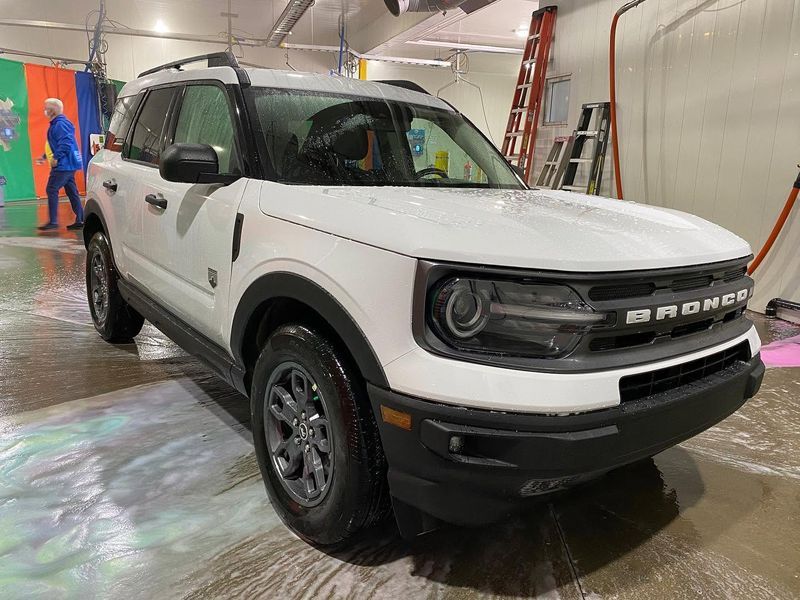
A rideshare driver returning from a normal shift might want clear glass, tidy exterior panels and presentable wheels. A contractor with mud on the rocker panels has a different cleaning problem. Identify what matters before choosing a wash stage. If the exterior is lightly dusty, an elaborate series of products may add little value. If dirt is concentrated on the wheels and lower doors, a controlled self-service visit allows effort to be distributed where the vehicle needs it.
This decision makes the wash more predictable. Walk around the car, check for loose trim, inspect the condition of the paint and decide which surfaces need extra care. Do not confuse cleanliness with the condition of the finish: a scratch or paint chip is not a stain to be removed by stronger pressure. The goal is a realistic maintenance clean that leaves the car safe to drive and makes efficient use of the available equipment.
Learn the bay controls before using paid time
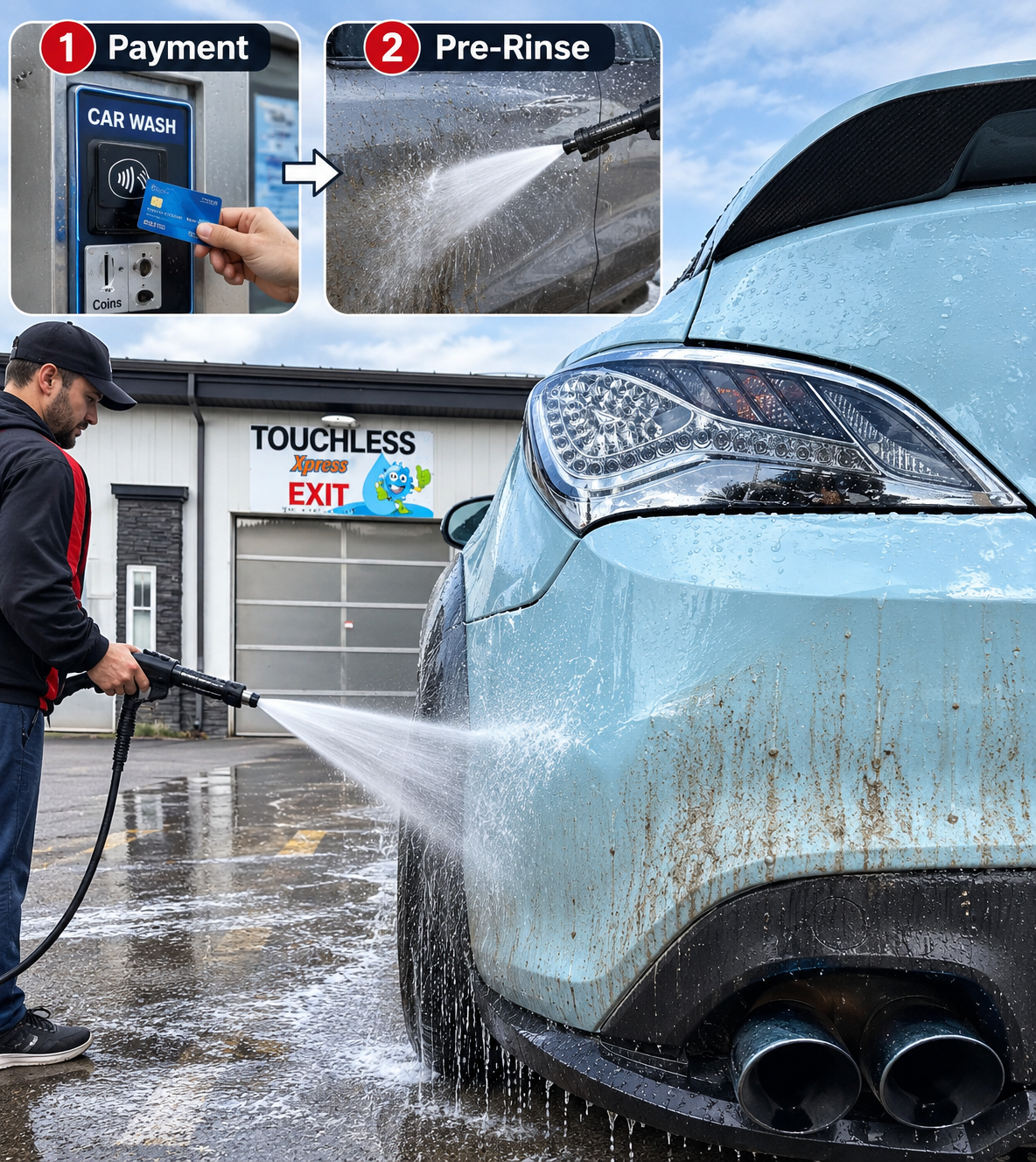
Coin-operated washing usually gives the driver a selection of timed functions. At Top Gear, the current coin-wash service information describes user-controlled cleaning as part of the facility's offerings. The specific payment methods, rates and features should be checked on the equipment when visiting. Treat older online photographs or comments as context rather than a promise that a particular control or price remains unchanged.
Before activating the programme, arrange any supplies you are permitted to use, close vehicle windows and position the car as directed. Confirm the hose can travel around it without snagging mirrors or accessories. Keep personal items out of the spray area. Do not spend the opening moments testing different functions while soap dries on a panel; choose a simple sequence and revise it only if the actual dirt calls for a change. Good preparation saves time without needing to rush.
Pre-rinse the car in a deliberate direction
Loose grit becomes a problem when it is moved across paint by a brush, mitt or cloth. Use an appropriate pre-rinse to carry sand and road film away before making surface contact. Maintain the wand distance recommended by the facility and take special care around damaged seals, exposed cameras, loose mouldings and aftermarket fittings. A stronger jet is not a substitute for understanding where water should and should not be directed.
For an everyday car, inspect the roof, glass, door panels and lower sections separately. Dirt on wheel arches may be heavier than dust on the bonnet; it often deserves more rinsing without subjecting every surface to the same intensity. If a deposit is firmly bonded, stop and identify it rather than spraying one spot continuously. The pre-rinse establishes a safer starting condition for later cleaning; it is not intended to solve every detail on its own.
| Vehicle area | Main concern | Practical cleaning principle |
|---|---|---|
| Windscreen and mirrors | Visibility and possible streaking | Rinse away loose film; check view afterward |
| Painted upper panels | Abrasive particles | Remove grit before contact |
| Wheels and lower sills | Heavy road dirt | Keep wheel tools away from clean paint |
| Door seals and trim | Water intrusion or weak fittings | Avoid concentrated spray at damaged edges |
Keep contact tools clean and fit for the task
A self-service brush may be useful for some compatible surfaces, but it can also collect dirt from earlier use. Inspect the bristles and housing before bringing it near any painted panel. If it contains visible grit or damage, choose another suitable method. A wheel brush that has contacted road grit should not be treated as a clean bodywork tool. Drivers who bring their own permitted wash mitt should keep it clean, appropriately lubricated and separate from wheel-cleaning equipment.
Rubbing harder is rarely the best response to resistant dirt. Sap, tar and hardened insects need appropriate treatment; they do not become safe to scrub just because the wash clock is running. Modern clearcoat can show fine swirls when abrasive particles are dragged across it. A DIY driver should value careful technique above the appearance of effort. Avoid touching paint with a tool you would not trust on your own vehicle at home.
Use chemistry as a step, not as a cure for every problem
A presoak or soap stage helps loosen ordinary road film so it can be rinsed away. Follow the label and posted equipment sequence; do not mix cleaning agents or improvise longer contact times, particularly on hot body panels. Coatings, plastic trim and recently repaired paint may have specific care instructions that override generic assumptions. If the vehicle has a wrap or protective film, check whether the selected product is compatible with it.
One recurring mistake is to add multiple finishing stages to compensate for poor dirt removal. Wax does not make a panel clean if grit is still trapped underneath, and a spot-reducing rinse cannot remove a scratch. Treat washing and protection as separate decisions. Complete the necessary cleaning stages first, inspect the result, and select optional treatments only when they match the finish and current programme. Less complicated washing is often safer than accumulating products without a reason.
Hear from Our Satisfied Customers
"This is the most amazing car wash I've ever had the pleasure of going to. Very clean, very well priced and did an absolutely amazing job on my car. The wax in the wand wash made my car look like new and the water just beads off. Shafiq was very kind to my wife and a gentleman. Thank you Shafiq and staff for an amazing job. Will recommend to all my friends, family and clients."
- Matthew Barich
Protect the final rinse from shortcuts
Plan the rinse before spending most of the allotted time on soap, brush work or wheel attention. Detergent left in seams, around mirrors and on glass can dry into a film, making the wash feel unfinished. If the programme has a separate rinse stage, use it fully and follow its directions. Where additional payment is needed to finish, it is usually wiser to complete the rinse than to depart with cleaner still on the car.
Move out of the bay when the process is complete, then inspect the car in a safe permitted space. Look through the windshield, check side windows and mirrors, and note any areas where soap or moisture may remain. In winter, dry accessible seals before freezing temperatures create problems. Avoid wiping painted panels with a gritty towel. The main wash work should be completed before reaching the exit, not continued while blocking the next customer.
Know when Top Gear's automatic methods are more suitable
Top Gear offers self-service washing as well as automatic touchless, soft foam and fusion options. A driver who has limited time or difficulty operating a wand may prefer an appropriate automatic cycle for routine exterior dirt. Another driver may value the freedom to clean a muddy lower door without paying for an entire automatic programme. The methods answer different needs and should not be described as universally better or worse.
Someone searching for car wash coin op access is often interested in control, while a search for coin op car wash near me can also indicate a desire for convenience or price flexibility. Choose based on the actual cleaning task, posted rates and vehicle restrictions, not the search wording alone. A fully automated option avoids manual handling but may leave bonded residues; self-service allows attention to those spots when done with suitable technique.
Worked example: a delivery vehicle between busy shifts
A local delivery driver has one window between routes to clean a small van. Its lower doors have road spray, the glass is dusty and the wheels are visibly grimy. The driver decides to prioritize visibility and ordinary exterior cleaning, checks the posted wash rate and positions the van in the bay. A pre-rinse removes grit before a compatible soap stage. The operator keeps wheel attention separate, then completes a thorough final rinse rather than adding every optional treatment.
The result is a cleaner vehicle ready for the next job, without a claim that every tar spot or fine scratch is gone. The driver checks mirrors and lights after exiting and notes one stubborn mark for later detailing. Over several visits, the driver may refine the routine based on the grime collected during different routes. That is the useful advantage of DIY washing: learning which tasks deserve time and which should be handled separately.
| Common decision | If routine grime is present | If contamination is unusual |
|---|---|---|
| Wash method | Use compatible ordinary stages | Identify residue before escalating |
| Contact tool | Inspect and use cautiously if appropriate | Avoid friction on unknown bonded material |
| Finishing product | Optional after proper cleaning | Do not mask unresolved dirt |
| Post-wash action | Check glass and accessible seals | Arrange surface-specific follow-up |
Consider the Calgary environment and the area around the bay
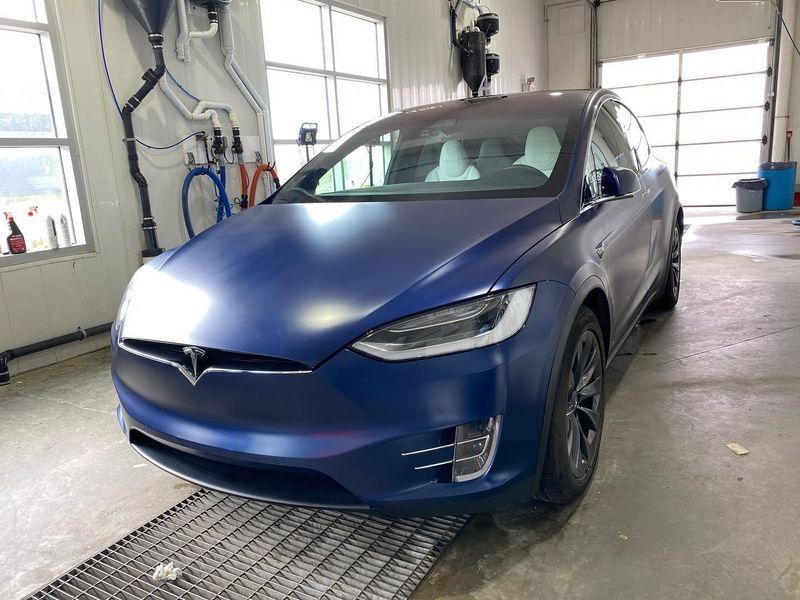
Washing at a commercial facility can help keep detergent-containing wash water out of storm drains. The
City of Calgary's car-washing guidance explains the restrictions around washing on streets and driveways and recommends appropriate commercial facilities. Use the site's products according to their rules; do not bring industrial solvents or assume public equipment is suitable for hazardous contamination. A routine vehicle wash has a narrower purpose than industrial waste cleaning.
Within the shared bay area, keep hoses and buckets out of others' pathways, allow room for vehicles to enter and be aware of the wet ground. A confident DIY routine should be safe for nearby people as well as gentle on the vehicle. If a tool is defective or the area appears hazardous, switch bays or contact the facility. Saving a small amount of paid time is not worth creating a trip hazard or damaging an accessory.
Teach yourself one routine before adding optional products
Drivers who wash their own vehicles often improve fastest by using the same sound sequence for several visits: inspect, pre-rinse, clean with appropriate products, rinse and check. That does not mean the same number of minutes or the same menu choices will always be appropriate. Rather, it establishes a dependable order so the driver can notice when the vehicle needs something different. A person who understands which stage removes loose grit is less likely to replace it with vigorous brushing on a rushed day.
For a Calgary commuter, winter may increase attention to lower panels and drying. In summer, insect residue may be concentrated near the front of the car. The underlying routine still helps; only the emphasis changes. If the car is already mostly clean, choose a lighter process instead of adding every optional stage. A deliberate DIY method reduces needless work while allowing local attention where the actual grime demands it.
Use a simple post-wash review to improve consistency
After leaving the active bay, a driver can ask three questions: was the visible dirt appropriate for this method, were wash products fully rinsed, and did any fitting or surface require special care? A remaining tar mark is different from soap residue near a window. The former needs targeted treatment; the latter means the final rinse deserved more time. Distinguishing the two prevents an expensive repeat of the wrong stage.
This review should be brief and practical, not an inspection ritual that blocks the exit lane. Check safely parked glass, mirrors, door seals and any obvious remaining patches. If the outcome repeatedly fails in one place, modify the cleaning plan next time. If the wash produces the maintenance result needed without damage, there may be no reason to complicate it. The strongest DIY habit is knowing when to stop.
Frequently asked questions
How do I choose the order of a coin-wash programme?
Prepare and inspect first, then remove loose grit, use compatible soap or presoak and complete the rinse. Keep heavily contaminated wheel equipment separate from cleaner bodywork. Read the actual bay instructions before activating paid time.
Is self-service washing always cheaper than automatic washing?
Not necessarily. Cost depends on the posted rate, time spent and chosen stages, while automatic options have different package prices. Compare the total job and result, rather than assuming control always means lower cost.
Is a public wash brush safe on paint?
Its condition and the surface matter. Visible grit can scratch clearcoat, and some drivers avoid public brushes on paint. Inspect tools and follow the vehicle and facility guidance; never drag a dirty brush across a painted panel.
Can I use a pressure wand on loose trim?
Damaged or loose trim is a reason to change methods or repair the part. Do not direct concentrated pressure at vulnerable seams or fittings. A wash cannot correct a mechanical problem.
What if soap remains after the paid time ends?
Follow the equipment directions to obtain enough rinse time and remove the product. Leaving detergent on glass and paint can create residue. Plan the final rinse as an essential stage from the beginning.
Do I need every optional wax stage?
No. Optional treatments should suit the vehicle's finish and your goals. They cannot fix scratches or substitute for washing away contamination first.
What do I inspect before driving away?
Check visibility through the windshield and windows, mirrors, lights and accessible seals. In colder weather, remove trapped water where practical. If a component appears damaged, address it separately before travel.
Trusted by Clients, Proven by Results
"Top Gear Car Wash provides an excellent wash with impressive attention to detail. My vehicle came out spotless, including the wheels and hard-to-reach areas. The staff were friendly, professional, and worked efficiently. Great value for the quality of service, and the facility was clean and well organized. I’ll definitely be returning and highly recommend it to anyone looking for a top-quality car wash!"
- SS
Next step
For a hands-on wash, review Top Gear's coin-wash information, assess your vehicle's actual dirt and check the current menu at the bay. Use time deliberately and reserve a complete rinse. If the job is routine and speed matters more than individual panel control, compare the facility's automatic alternatives.
About the author
Top Gear Car Wash offers coin-operated, self-service, touchless express and automatic vehicle washing in northeast Calgary. Its customer resources focus on practical cleaning methods, safe use of equipment and informed comparisons between wash options.